
What you put on in the morning is a small decision that gets made every single day, often without much thought at all, which makes it one of the more overlooked levers available for how the rest of the day actually feels — not because clothing fixes anything meaningful on its own, but because it’s one of the few genuinely controllable inputs to mood and energy available before the day’s real events have even started.
The Real Mechanism Behind “Enclothed Cognition”
Researchers in psychology have a real, established term for the effect clothing has on how a person thinks, feels, and behaves: enclothed cognition, the finding that what’s worn measurably influences psychological state and even cognitive performance, not just how a person is perceived by others. It’s not a metaphor — putting on clothing associated with a certain mindset (structured clothing for focus, soft comfortable clothing for rest and recovery) shifts how the brain actually approaches the time ahead, in ways that show up in real behavioral studies, not just self-reported feeling. That’s worth taking seriously rather than dismissing as a purely aesthetic or superficial choice.
Why “Comfortable” and “Sloppy” Aren’t the Same Category
There’s a common instinct to treat genuinely comfortable clothing as a concession, a fallback, or a sign of giving up — something worn specifically on a day when trying doesn’t feel worth it anymore. That framing sells the actual choice short. Deliberately comfortable clothing, chosen because it feels good rather than because putting in more effort felt pointless, is a different decision entirely, and the body and mind seem to register the difference even when the garments themselves look similar from the outside. The intent behind getting dressed — care versus giving up — appears to matter as much as the clothing itself.
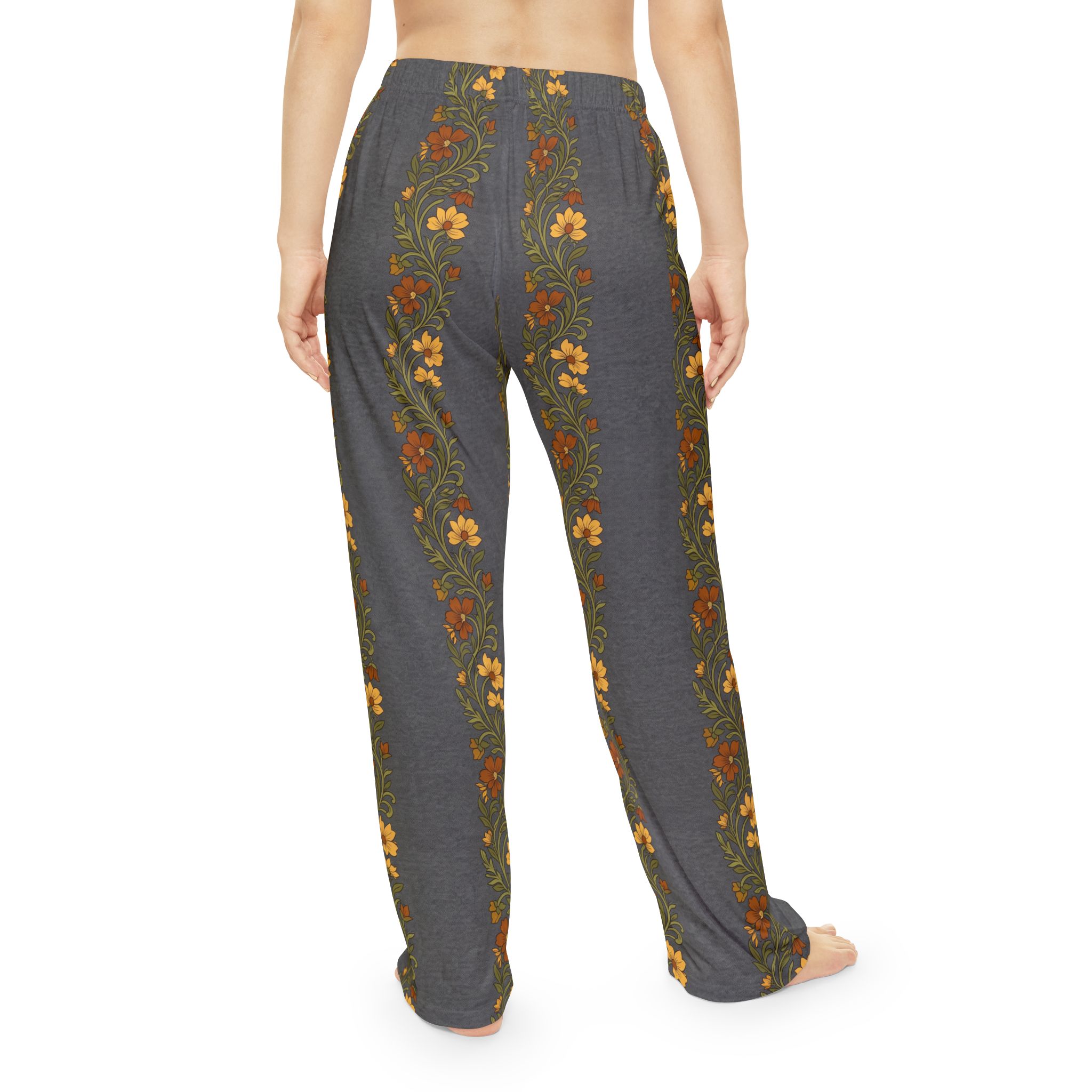
Texture and Touch Have a Direct Line to the Nervous System
Soft, gentle fabric against skin is a form of physical input the nervous system responds to fairly directly, in the same broad category as other calming tactile input like weighted blankets or a warm bath. It’s not a coincidence that soft, familiar clothing is one of the first things people reach for when stressed, sick, or grieving — it’s a genuinely accessible, low-effort way to provide the body a small amount of physical comfort during a period when very little else feels manageable. Recognizing this as a legitimate coping tool, rather than an indulgence to feel a little sheepish about, changes how deliberately it gets used.
Ritual Matters as Much as the Garment Itself
The act of deliberately changing clothes — out of the day’s structured wear and into something specifically chosen for winding down — functions as a real transition cue, separate from anything about the fabric itself. It signals to the brain that one phase of the day is ending and another is beginning, the same mechanism that makes a consistent bedtime routine effective for sleep. Staying in the same clothes from a demanding day straight through the evening skips that transition entirely, which is part of why a day can feel like it never actually ends even once the responsible part of it is technically over.
Different Moods Call for Different Fabric, Not Just “Soft”
Not every version of comfort dressing is chasing the same feeling, and it’s worth being more specific than a single “soft and cozy” category. A structured, slightly weighted-feeling fabric can read as grounding and secure on an anxious or unsettled day, closer in effect to a weighted blanket than to loose, floaty, unstructured fabric. A lightweight, breathable piece can feel freeing on a day that calls for openness rather than containment — after a stretch of feeling boxed in, or on a day that needs some sense of lightness rather than heaviness. Matching the specific fabric weight and structure to what a given day actually needs, rather than defaulting to the same comfort outfit regardless of mood, gets more out of the same underlying principle.
Color Plays a Real, if Smaller, Role Too
Color psychology research shows real, if modest, effects on mood and energy — muted, softer tones tend to read as calming, while brighter colors can genuinely lift energy on a low day, and darker tones can feel grounding or protective depending on the person and the day. This isn’t a precise science with a single correct answer for everyone, but it’s worth treating color as a deliberate lever alongside fabric and fit rather than an afterthought decided purely by what happens to be clean. Someone who’s noticed they feel better in certain colors on hard days is picking up on something real, not imagining a placebo effect.
This Isn’t About Spending More
None of this requires an expensive wardrobe or buying anything new for the sake of it. The actual lever is intentionality — choosing a specific piece because it genuinely feels good to put on, rather than grabbing whatever’s nearest without thinking about it — which costs nothing extra and can be done with clothing already owned. The upgrade, when one is worth making, is toward fewer, better pieces actually chosen for how they feel, not toward a larger collection. A closet full of “comfortable” clothing that was never actually chosen deliberately doesn’t provide the same benefit as one or two pieces genuinely selected for how they feel — quality of choice matters more here than quantity owned.
Work-From-Home Days Make This Easy to Skip Entirely
Without a commute or an in-person expectation forcing any change of clothes at all, it’s genuinely easy to spend an entire day and evening in the exact same thing worn to sleep the night before — no deliberate choice made at any point, just default inertia carrying through. That absence of a natural transition point is worth noticing specifically, since it removes one of the built-in cues most people used to rely on automatically. Deliberately changing into a different, specifically-chosen piece at the end of a work-from-home day — even when nobody else will ever see the difference — rebuilds that transition cue on purpose, in a context where it no longer happens by accident.
Grief and Major Stress Are Where This Matters Most
During acute grief or a genuinely overwhelming stretch, getting dressed at all can start to feel like a task with no clear point, and a lot of well-meaning advice skips straight to “it’s okay not to get dressed” without offering an actual middle ground. Soft, easy, deliberately comfortable clothing is that middle ground — not the effort of a full normal outfit, but not the complete absence of any care either. It’s a genuinely lower bar to clear than getting fully dressed for the world, while still providing the small, real benefit of a deliberate choice having been made rather than everything about the day defaulting to whatever required the least thought.
A Small Daily Practice, Not a Big Decision
The most sustainable version of this isn’t a dramatic wardrobe overhaul — it’s a small, repeatable habit: having one or two genuinely comfortable, deliberately chosen pieces set aside specifically for the transition out of the day’s demands, worn consistently enough that putting them on itself becomes part of the signal. Consistency does real work here that variety doesn’t; the same reliable piece, reached for the same way each evening, builds the transition cue faster than constantly rotating through different options.
Noticing the Pattern Over Time Is Worth More Than One Good Day
A single evening of deliberately comfortable clothing isn’t going to meaningfully shift mood on its own, and it’s worth being honest about that rather than overselling a small habit. The actual value shows up over weeks and months of consistent practice — a reliable, small, positive input repeated often enough to become a genuine part of how transitions and hard days get handled, rather than a one-time experiment that either “works” or doesn’t after a single try. Treating it as a long-term habit rather than a quick fix is the more accurate, and ultimately more useful, way to think about it.
And it’s worth naming plainly: this isn’t a substitute for addressing whatever’s actually causing a genuinely hard day or a difficult stretch, and it isn’t offered as one. It’s a small, real, low-cost tool that works alongside everything else that actually helps — rest, connection, therapy, time — not instead of any of it. Clothing choice is one lever among many, useful precisely because it’s one of the few available on even the hardest days, not because it’s the most important one on the list. On a genuinely difficult day, being able to reach for one small, reliable, already-decided thing that helps — without needing to spend scarce energy figuring out what might help in the moment — is worth more than it sounds like written down on paper.
Wellrested’s loungewear is built for exactly this kind of deliberate, daily comfort choice — soft enough to function as a real transition, consistent enough to become a genuine evening habit rather than a one-off treat.