
Some mornings, the normal amount of effort clothing usually takes just genuinely isn’t available — not because of anything physically wrong, but because a low-energy or genuinely bad mental health day changes what’s actually manageable, and pushing through the usual routine anyway, on top of everything else, often costs more than it’s actually worth.
Decision Fatigue Is a Real, Depletable Resource
Decision-making draws on a limited daily resource, sometimes called decision fatigue, and that resource runs low faster on days already burdened by low mood, anxiety, exhaustion, or simply not having slept well — which means a choice that’s trivial on a good day (what to wear, what matches, whether it’s clean) can feel genuinely difficult on a hard one. This isn’t a character flaw or a sign of being overly dramatic about a small decision; it’s a real, well-documented cognitive effect, and it’s exactly why reducing the number of decisions required to get dressed matters more on these days than it does on ordinary ones.
A Pre-Decided Uniform Removes the Hardest Part
The single most effective, most consistently recommended fix for decision fatigue around clothing is removing the decision entirely, in advance, on a day when deciding is genuinely easy and the mental resources for it are actually available — having one specific, known-comfortable outfit set aside and mentally designated as “the bad-day option,” so that on the actual bad day there’s nothing left to figure out, only something to put on. This is the same principle behind a work uniform or a signature outfit some public figures deliberately adopt: not because variety doesn’t matter generally, but because removing one recurring decision frees up real capacity for everything else that day actually requires.
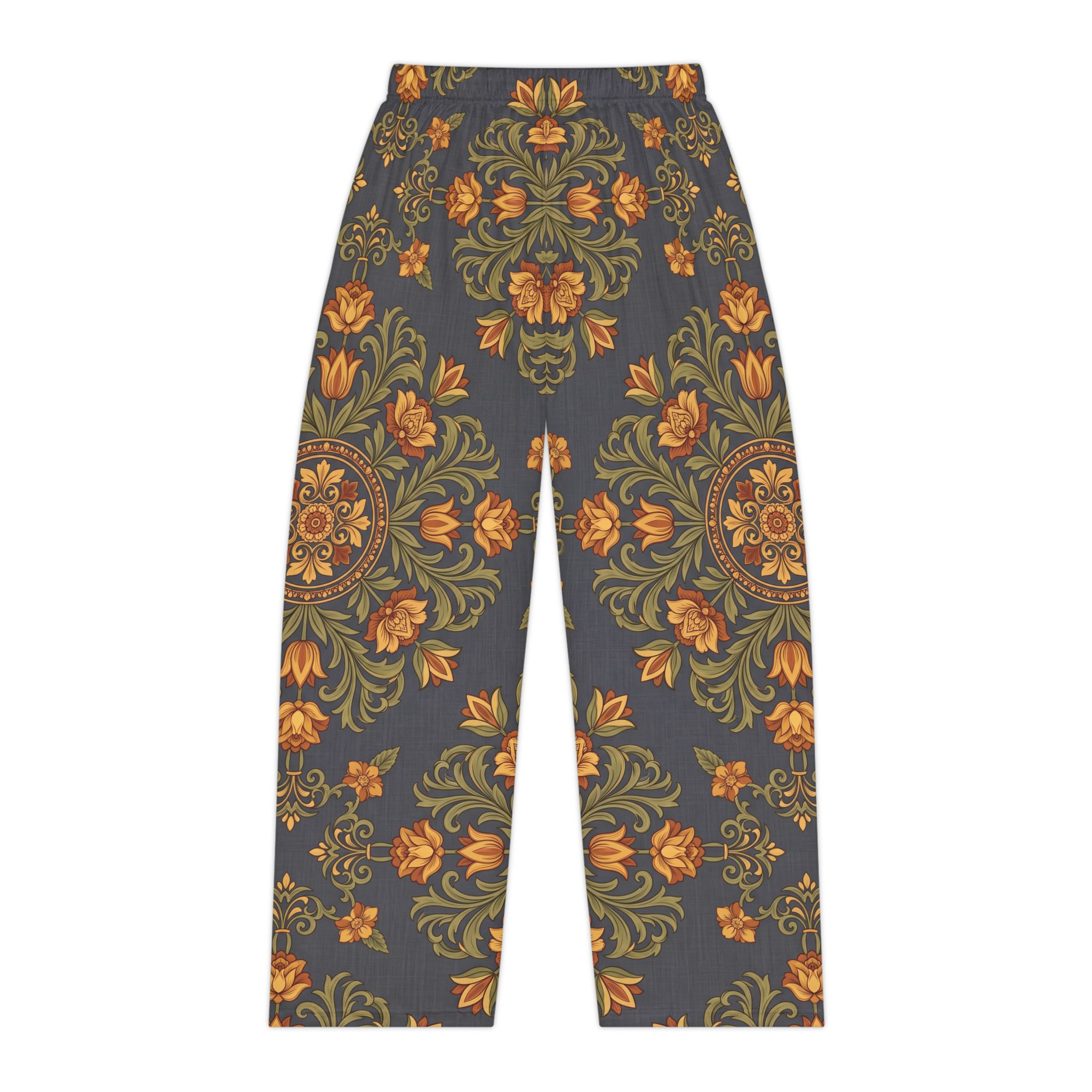
Depression and Low Energy Have Physical Symptoms, Not Just Mood Ones
Depression and chronic low mood commonly come with genuine physical symptoms — fatigue that doesn’t fully resolve with rest, heightened sensitivity to physical discomfort, and reduced tolerance for anything that requires fine motor effort or sustained attention. Clothing that would be a non-issue on a normal day (a slightly stiff waistband, a shirt that needs adjusting throughout the day, buttons that take real concentration) can become a genuinely bigger obstacle on a day when physical and cognitive resources are already reduced. Treating clothing choice as connected to these physical symptoms, not separate from them, changes what actually counts as the right choice.
“Getting Dressed” Doesn’t Have to Mean the Usual Definition
There’s often an unspoken rule that “real” getting dressed means leaving loungewear behind, and that anything less is somehow not trying. On a genuinely hard day, that rule isn’t serving anyone — soft, clean, deliberately chosen loungewear is getting dressed, full stop, and treating it as a lesser category adds a layer of guilt to a day that doesn’t need one more thing to feel bad about. The actual bar worth clearing on a hard day is clean and deliberately chosen, not “acceptable to wear outside the house.”
Building the Bad-Day System Before It’s Needed
The best time to set up a bad-day outfit is on a good day, with the mental clarity to actually think it through — which colors feel calming, which fabric is genuinely most comfortable, which pieces require zero real decisions (no matching, no thinking about fit) — rather than trying to make good choices while already in the state the outfit is meant to help with. Keeping it clean and genuinely ready, rather than buried in laundry when it’s actually needed, matters as much as choosing it well in the first place; a bad-day outfit that’s dirty on the actual bad day defeats the entire purpose.
Preparing for Visible Days Separately From Invisible Ones
A bad day spent entirely at home has different requirements than a bad day that still involves being seen — a video call, a school pickup, a store run that can’t be postponed. It’s worth having two versions of the bad-day system rather than one: a fully soft, fully unstructured option for days with zero outside obligations, and a slightly more put-together (but still genuinely low-effort) option for days that require leaving the house or appearing on camera despite everything else. Trying to make one single outfit cover both situations usually means it’s not quite right for either — too casual for the visible day, or not quite as easy as it could be for the fully private one.
Texture and Weight Can Actively Help, Not Just Avoid Hurting
Beyond simply avoiding discomfort, certain textures and weights can provide real, active benefit on a difficult day. A slightly heavier, close-but-not-tight fabric can offer some of the same grounding, calming effect as a weighted blanket, genuinely useful for anxiety specifically. A very soft, worn-in, familiar fabric can provide a small sense of safety and predictability precisely because it’s known and unsurprising at a moment when very little else about the day feels that way. These aren’t guaranteed effects for everyone, but they’re worth actually testing and noticing rather than assuming all “comfortable” fabric provides the same experience.
When to Treat This as More Than a Clothing Question
A single hard day, handled with a comfortable, pre-decided outfit and some grace, is a normal part of life. A pattern of consistently low energy, difficulty with basic daily tasks like getting dressed or showering, or persistent low mood stretching across several weeks in a row is a genuinely different situation, and it’s worth being direct about the limit here: clothing choices make hard days more manageable, they don’t address what’s actually causing a sustained pattern of them. If getting dressed has felt genuinely difficult more days than not for weeks at a time, that’s worth raising with a doctor or therapist directly, not just solving around indefinitely with a better wardrobe strategy. A comfortable bad-day outfit makes a hard week more livable; it isn’t, and was never meant to be, a treatment for what’s actually causing weeks to stay hard in a row.
This Applies to More Than “Bad Mental Health Days” Specifically
Everything described on this page works just as well for ordinary, garden-variety low-energy days that have nothing to do with mental health specifically at all — a bad night’s sleep, a physically demanding week catching up, a day that just started rough for no clear reason at all. The bad-day outfit doesn’t need a specific cause attached to be useful; it’s a tool for any day when the usual amount of decision-making and physical effort around getting dressed isn’t available, whatever the actual reason behind that happens to be.
If Someone Else Is Trying to Help
Supporting someone through a genuinely difficult stretch and unsure what would actually help — a simple, soft, easy-to-wear outfit is a concrete, low-pressure way to show care without requiring the person receiving it to have the energy to explain what they need. It doesn’t fix the underlying difficulty and isn’t meant to, but it removes one small, real burden from a day that already has enough of them, and it does so without demanding anything back — no conversation required, no explanation needed, just something soft and easy sitting there ready to be reached for. That’s a genuinely useful kind of support, distinct from and complementary to the harder conversations and actual help a difficult stretch usually also needs.
Letting the System Evolve as Needs Change
A bad-day outfit chosen once doesn’t need to stay fixed forever — what feels genuinely comforting can shift over time, with the seasons, or as circumstances change, and revisiting the choice occasionally rather than treating it as a permanent decision keeps it actually working rather than becoming just another old habit worn out of inertia. If a longtime go-to option stops feeling like it helps the way it used to, that’s worth noticing and updating rather than continuing to reach for it purely out of familiarity once the actual comfort has faded.
None of this needs to be treated as a big project either. Setting the whole system up takes maybe twenty minutes on an ordinary day — picking one outfit, washing it if needed, and deciding where it lives so it’s easy to find later. That small, one-time investment is disproportionate to how much friction it removes from every actual hard day afterward, which is exactly why it’s worth doing in advance rather than waiting until the need is already urgent.
Whatever the actual cause behind a given rough patch — mental health, physical exhaustion, a stretch of bad luck, or just an ordinary bad week that doesn’t need a name attached to it — the exact same bad-day system, built once in advance and kept ready, ends up serving all of those situations equally well without needing to be reinvented each time a new kind of hard day shows up.
Wellrested’s loungewear works well as exactly this kind of pre-decided, zero-effort option — soft, simple to put on without thinking, and comfortable enough that reaching for it never feels like a compromise.