
Nobody hands new parents a wardrobe briefing, and most of what shows up in a hospital bag checklist online is generic “comfortable clothes” advice that skips the actual mechanics of the first few weeks: bleeding, nursing access, a stomach that doesn’t match any pre-pregnancy clothes yet, and skin that’s more sensitive than usual to anything tight or scratchy.
What the Hospital Bag Actually Needs
Loose-fitting pajamas in a breathable fabric, with easy-access closures for nursing, are the core of it — front-opening or button-front tops matter more than almost anything else on the list if nursing is the plan, since fumbling with a pullover top one-handed while holding a newborn is a genuinely frustrating way to start. A robe is worth packing too, both for coverage answering the door to hospital staff at odd hours and as a layer over pajamas that aren’t quite presentable for a visitor. Skip anything white or pale — lochia and early colostrum leaks stain, and this isn’t the week to be protecting light-colored fabric.
Underwire bras are worth leaving at home entirely for these first weeks; underwire can contribute to blocked ducts during the early, unpredictable stretch of establishing breastfeeding, regardless of how supportive it felt before delivery. A soft, wireless nursing-friendly top does the job without that risk.
Why Waistbands Matter More Than Anything Else
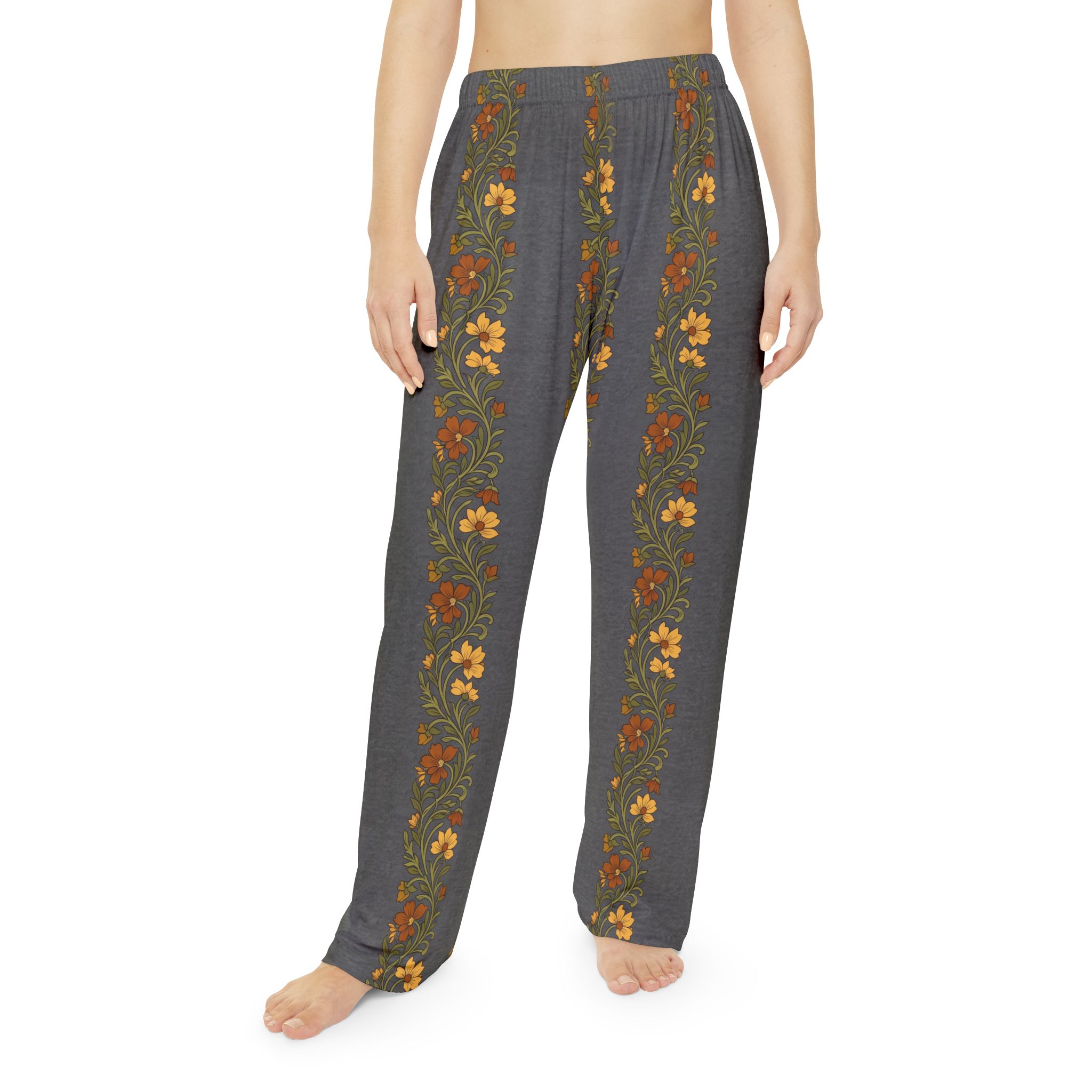
Anything tight at the waist is genuinely painful in the first days after delivery — vaginal or C-section — and this is true even for people who feel generally fine otherwise. A C-section incision sits directly where a normal waistband would, making anything above low-rise actively uncomfortable for weeks, not days. Loose, low, wide-waistband bottoms — or bottoms with no fitted waistband at all — aren’t a minor comfort preference here, they’re close to a requirement. Bottoms need enough room to work with the large pads hospitals provide for postpartum bleeding too, which rules out anything fitted through the hip regardless of the waistband situation.
The First Weeks at Home, Not Just the Hospital
Pre-pregnancy clothes usually don’t fit yet, and maternity clothes were built for a different shape than the postpartum body — a real, common gap that leaves a lot of new parents cycling the same two or three things because nothing else fits comfortably. Clothes with real stretch, rather than maternity-specific cuts, tend to bridge that gap better. High-waisted underwear is worth the switch from low-rise specifically during this stretch: it offers real support through the belly-shrinking weeks in a way low-rise cuts don’t, without pressing on a still-healing incision the way a fitted waistband would.
Temperature regulation is worth planning for too, and it surprises a lot of new parents — hormonal shifts after delivery cause real sweating and temperature swings, similar in mechanism to what happens during perimenopause, just compressed into a shorter, more intense window. Breathable, moisture-wicking fabric isn’t a luxury here; it’s dealing with a real physical symptom on top of everything else already going on.
C-Section Recovery Changes the Calculation Further
Everything above applies to any delivery, but a C-section adds real, specific constraints on top of it. The incision sits low on the abdomen, directly in the path of a normal waistband, and it stays tender for weeks — not days — which makes “low and loose” less of a comfort preference and more of a genuine requirement for that entire stretch. Fabric that sits directly against the incision site can also cause real irritation as it heals, so a soft, breathable fabric isn’t just about temperature; it’s about not adding friction to a wound that’s actively closing. Getting dressed and undressed one-handed matters here too, since reaching, twisting, and bending are all limited in the first couple of weeks — pieces that pull on easily without needing to step through narrow leg openings or reach overhead make a real daily difference that’s easy to underestimate until you’re the one trying to do it.
Scar tissue sensitivity can linger well past the initial healing window too — months, in some cases — which is worth knowing before assuming “recovered” means back to any pre-pregnancy waistband without a second thought. A soft, wide, non-elastic-band-digging waistband remains the more comfortable choice for a lot of people well past the point where a doctor has cleared normal activity, simply because the area stays more sensitive to pressure than it used to be.
Nursing Access Is a Design Requirement, Not a Nice-to-Have
For anyone breastfeeding or pumping, clothing access isn’t a minor convenience — it’s something used eight to twelve times a day, every day, for months. A top that requires fully undressing for each feeding turns a two-minute task into a genuine hassle multiplied by a dozen times daily, which adds up to real friction over the course of a week. Front-opening tops, wrap styles, or anything with a nursing-specific opening solve this directly. It’s worth prioritizing over how an outfit looks, at least for the pieces actually worn at home during these months — the pieces reserved for going out can prioritize appearance since they’re not doing this job as often.
What Actually Gets Reached For
By the second or third week, most people settle into a small rotation of two or three go-to pieces rather than a full postpartum wardrobe — usually a soft, low-waisted lounge pant, a nursing-accessible top, and a robe that can be thrown on for the constant stream of feedings, visitors, and doorbell answers. Buying for that rotation specifically, rather than a whole new wardrobe, is the more realistic approach: a few genuinely comfortable, easy-access pieces that get worn on repeat beat a larger collection that mostly sits unworn because it wasn’t actually designed around what these weeks require.
If Someone Else Is Buying for You
Postpartum clothing is a common gift, and it’s worth passing this information along to anyone asking what to bring, since most people shopping without this context default to cute rather than functional. Sizing is genuinely hard to predict — the body a few days postpartum doesn’t match pre-pregnancy size or late-pregnancy size, and won’t for weeks — so a size up from pre-pregnancy, with real stretch and a non-fitted waist, is a safer bet than guessing a specific number. Front-opening or wrap-style tops are a safer gift than anything requiring a pullover motion, for the nursing-access reason above. And skip anything structured, fitted, or in a pale color entirely — none of it fits this window, however nice it looks on a hanger.
Postpartum Bleeding Changes What “Comfortable” Even Means
Lochia — the postpartum bleeding that follows any delivery, vaginal or C-section — typically continues for several weeks, heavier than a normal period at first and gradually tapering off. That reality shapes clothing choices in ways that don’t come up in a normal comfort conversation: dark or patterned bottoms hide the inevitable, loose cuts through the hip accommodate hospital-grade or overnight pads without the visible line a fitted pant creates, and easy-off bottoms matter more than usual given how frequently changes are needed in the first week or two specifically. It’s a practical, unglamorous factor, but it’s one of the more concrete reasons “loose and dark” outperforms “fitted and light” for this entire stretch, independent of any comfort preference on top of it.
This Stretch Is Temporary, Even When It Doesn’t Feel That Way
Every constraint described here — the waistband, the bleeding, the nursing access, the incision sensitivity — is specific to a window that closes, usually somewhere between six weeks and a few months depending on delivery type and individual healing. That’s worth naming directly, because it changes how much to actually invest in postpartum-specific pieces versus borrowing from an existing loungewear rotation that already skews loose and soft. A few genuinely well-chosen pieces built around this specific stretch, rather than a full new wardrobe, covers the window without over-buying for a phase that’s deliberately short.
Partners and support people going through the same sleep-deprived, hormone-shifted first weeks benefit from a version of this same logic too, even without the physical recovery constraints — soft, low-effort, easy-to-wear pieces reduce one small decision out of a day that already has too many, and a household where both people are dressed for actual comfort rather than “presentable enough” tends to handle the chaos of the first weeks with noticeably less friction than one where only the parent who gave birth adjusted their wardrobe for the moment.
Adoptive and non-birth parents go through a real version of this too, even without the physical recovery side — the same sleep deprivation, the same constant feeding-and-holding logistics, the same sudden need for clothing that can be lived in around the clock rather than just worn for a few hours a day. None of the advice here is exclusive to the parent who physically delivered; it’s really advice for anyone whose entire daily structure just changed overnight and who needs clothing that keeps up with that rather than adding one more thing to manage.
Wellrested’s loose-fit loungewear and low-waist pants work for exactly this stretch — soft, breathable, and built without the fitted waistband that makes so much regular clothing a bad fit for the first postpartum weeks.